
In an age dominated by digital devices and GPS systems, using a paper map to navigate can appear to be a lost art. However, there is a certain beauty and countless benefits to using the old-fashioned method. A paper map can be a useful and gratifying companion when touring a bustling city or traveling through isolated areas. Here’s how to use a paper map to maximize your vacation experience.
- Select the Right Map.
Not all maps are made equally. Before embarking on your journey, be sure you have the correct map for your location. Topographic maps are good for trekking and outdoor activities, whilst city maps are ideal for urban tours. Look for maps that are current and detailed, covering the area you intend to explore. - Get to know the map
Before you start driving, spend some time studying your map. Understand the symbols, tales, and scales. Identify important landmarks like mountains, rivers, and significant roadways. This pre-trip preparation will allow you to navigate more confidently and efficiently once on the road. - Plan your route.
Before leaving, plan your route on a map. Highlight the important highways, trails, and areas of interest you want to visit. Marking your path can help you avoid confusion and keep on track. A well-thought-out plan will also provide you with a sense of purpose. - Learn how to orient the map.
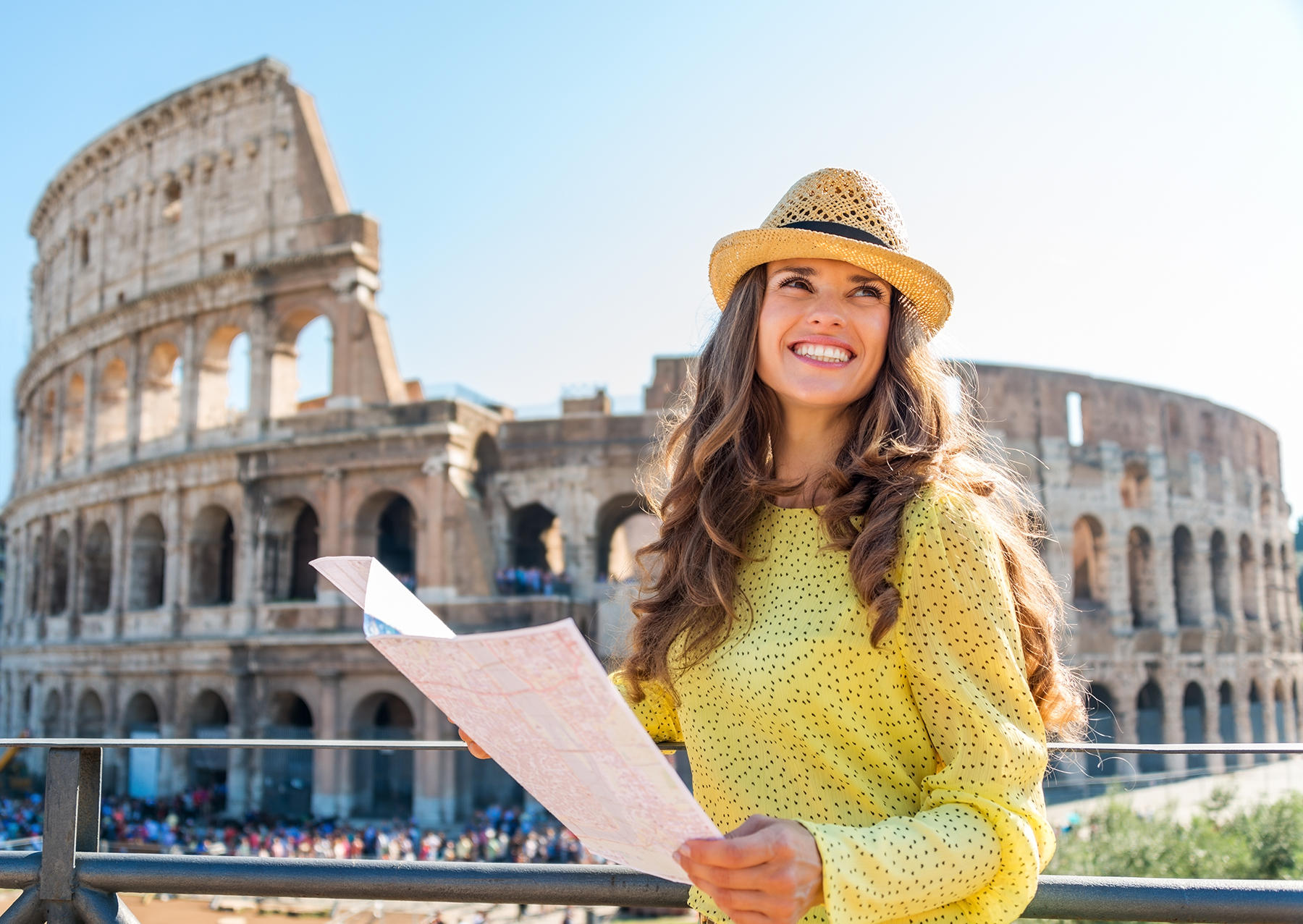
Correctly orienting your map is critical for accurate navigation. Align the map so that the directions on it match the actual directions in your surroundings. Use a compass if necessary. This will allow you to better comprehend your position in relation to the map’s landmarks and features.
- Use Landmarks and Features.
One of the benefits of utilizing a paper map is that it allows you to navigate by real landmarks and natural features. Keep an eye out for obvious landmarks like mountains, rivers, buildings, and highways. Cross-referencing these with your map will allow you to verify your location and keep on track. - Be Mindful of Your Environment
When using a paper map while traveling, it is crucial to stay mindful of your surroundings. Continuously refer to your map and compare it with the actual environment. Take note of road signs, trail markers, and other navigational tools. This proactive approach will enable you to identify any potential mistakes before they lead to significant detours. - Repetition Leads to Mastery
For those who are new to using a paper map, it is advisable to practice in a familiar area before exploring unfamiliar territory. This practice will help you gain confidence and enhance your navigation skills. You will become adept at quickly and accurately interpreting the information on the map, resulting in smoother and more enjoyable travels. - Embrace the Journey
Traveling with a paper map goes beyond mere navigation; it’s an enriching experience. It prompts you to take things slow, interact with your surroundings, and form a deeper connection with your travel experience. Embrace the obstacles and triumphs that accompany analog navigation, and you’ll discover yourself fully engrossed in your adventures.
Conclusion
While digital maps and GPS gadgets offer convenience, using a paper map while traveling evokes a sense of thrill and sentimentality. It enables you to sharpen your navigation abilities, stay attuned to your surroundings, and relish the journey in a distinctive manner. Therefore, when planning your next trip, contemplate leaving the digital realm behind and rekindling the delight of navigating with a paper map.